
Save vs Share: Understanding User Behavior and Content Engagement

When people engage with your content, what they do with it is just as important as how many do it.
You need to stop measuring success by likes alone. Instead, ask a more strategic question: “Is this content being saved or shared?”
Because while both actions signal value, they serve very different purposes, and understanding that difference can transform how you build content that actually connects.
1. Saved Content Is Personal
When someone saves your post, they’re not broadcasting it to their network. They’re bookmarking it for themselves.
Saved content is practical. It’s the kind of information people want to revisit, apply, or think about later. It speaks to a need they’re trying to solve or a skill they’re trying to build.

2. Shared Content Is Expressive
Shared content serves a different purpose. It’s public. It reflects something people want others to know about them.
When someone shares your post, they’re not just engaging; they’re aligning. They’re saying, “This is so me” or “You have to see this.”

3. Why This Distinction Matters
Understanding why someone engages helps shape how you build content.
Saved content builds authority. It keeps you in people’s back pockets. They might not engage today, but they’ll come back—and when they do, they’ll remember who helped them.
Shared content builds reach. It amplifies your brand beyond your immediate audience. It brings new eyes, new conversations, and a sense of belonging.
The best brands know how to balance both.
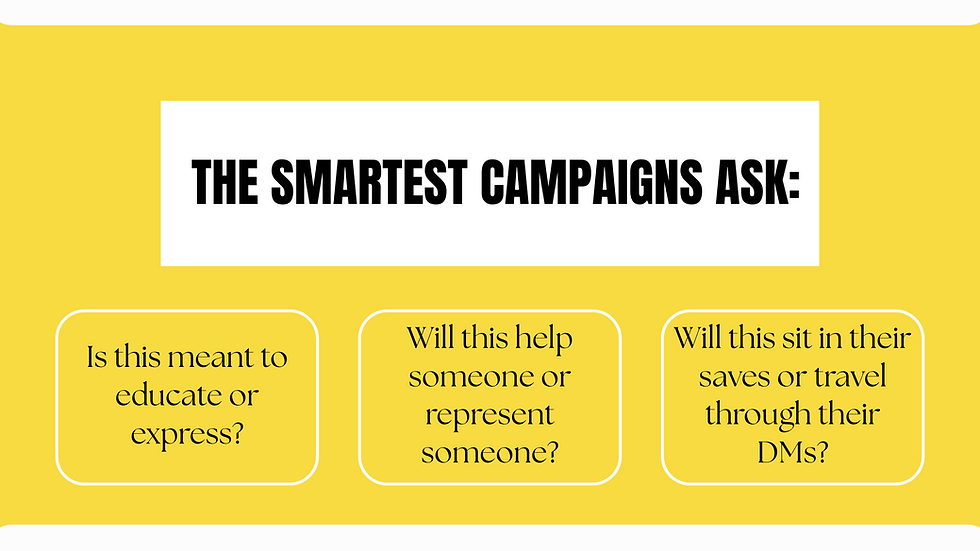
4. So, How Do You Create With This in Mind?
Content has to be designed with purpose. Don’t just think about format, think about function.
Want to increase trust? Create content worth saving.
Want to grow reach? Create content worth sharing.
Want both? Layer value with voice. Teach, but make it relatable. Inform, but make it feel personal.
Engagements aren’t all created equal and analyzing save vs. share ratios gives you insights most brands miss.
Conclusion
Your content doesn’t need to go viral to be valuable.
But it does need to serve a purpose, whether that’s showing up when your audience needs help or reflecting what they want to say.
Saves build loyalty. Shares build momentum. Both build your brand.


hi88.com mình mới ghé thử vì thấy mấy đứa bạn nói hoài, chứ cũng không định ngồi mày mò gì nhiều. Vào cái là thấy giao diện khá dễ thở, không bị nhồi chữ hay rối mắt. Mình chỉ lướt nhanh vài phút thôi mà vẫn thấy họ chia nội dung thành từng khối nhìn rõ ràng, kéo xuống tới đâu biết mình đang ở phần nào tới đó. Cái mình thích là cách trình bày theo kiểu gọn gàng, nhìn qua là nắm được thông tin chính, không phải bấm vòng vòng. Menu cũng để chỗ dễ thấy nên chuyển qua lại khá tiện. Nói chung cảm giác “sạch” và dễ nhìn, nhất là mấy khối nội dung tách…
Mình có thói quen theo dõi soi cầu XSMB với soi cầu MB mỗi ngày trước giờ quay, chủ yếu để tham khảo thêm chứ không phải nhắm mắt chọn số. Có lúc mình đọc du doan xsmb rồi tự đem so với thống kê lô gan, lô xiên xem dạo này dàn nào hay lặp, dàn nào đang im hơi. Trong nhóm bạn mình cũng hay bàn chuyện quay thử XSMB, Rồng Bạch Kim, với dữ liệu lịch sử chuẩn thì nhìn tần suất sẽ dễ hơn, đôi khi bắt được vài dấu hiệu thú vị. Theo mình muốn dự đoán miền Bắc cho ổn thì nên ghép nhiều thứ như cầu bạch thủ, dàn đề, và kinh nghiệm…
Mình mua vé số chủ yếu để thư giãn, kiểu xem kết quả cho vui chứ không đặt nặng chuyện trúng hay không. Trước đây nghe người ta bàn về “cầu kèo” các kiểu mình cũng hơi nghi ngờ, nhưng lâu lâu để ý lại thấy có vài dạng lặp lại nhìn cũng hay. Thỉnh thoảng đọc mấy bài dự đoán, mình hay note nhanh vài con rồi để đó, vài hôm sau lôi ra so lại xem có phải mình tự tưởng tượng ra quy luật không. Giữa chừng mình cũng hay ngó qua https://soicauxsmb.io/thong-ke-dac-biet-tuan-xsmb.html để có thêm chuyện tám với bạn bè. Có hôm trúng chút thì vui, nhưng cũng nhiều bữa lệch xa nên mình tự nhắc…