
Greenwashing: The New Red Flag in Social Media Marketing

What Is Greenwashing?
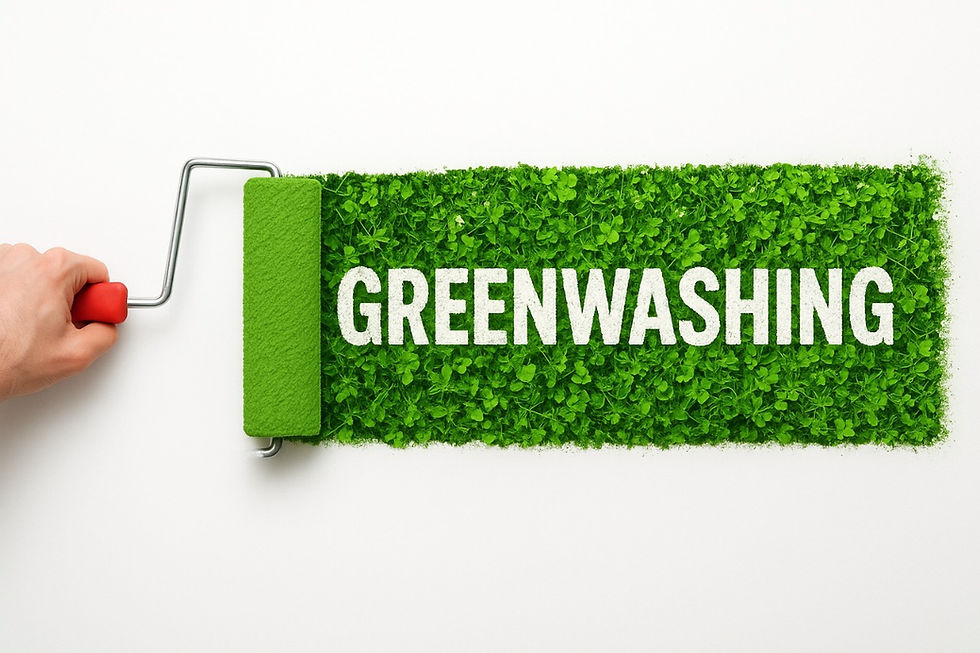
Greenwashing is the act of making false or exaggerated environmental claims. It includes using vague language like “eco-conscious” or “green-friendly,” showcasing leafy graphics, or creating campaigns around sustainability; without offering actual proof.
For instance, a fashion brand may market a “sustainable collection” without disclosing fabric sources or ethical supply chains. Or a tech company might promote “net zero goals” while continuing to operate with carbon-heavy infrastructure. These tactics are not uncommon in today’s digital ecosystem and are often amplified by social media marketing.
A notable example includes Hindustan Unilever Limited, which faced legal action in 2011 for falsely advertising its Surf Excel Easy Wash detergent as "100% natural."
Why Is It a Social Media Red Flag?
Social media has become the first point of contact for most brands. From Instagram reels to LinkedIn updates and influencer-led campaigns, it’s easy to craft a visual story of sustainability, even when the reality is far from it.
With aesthetic-first platforms, greenwashing has found fertile ground. Hashtags like #sustainableliving or #greenstyle often trend without much scrutiny. And influencer marketing only accelerates the issue, as many creators unknowingly promote products based on brand claims rather than verified sustainability practices.
This is where the line between branding and misleading starts to blur.
The Impact on Brands
Greenwashing doesn’t just affect public perception; it damages brand credibility, weakens consumer trust, and undermines the work of genuinely sustainable businesses. It also complicates future rebranding efforts, as audiences increasingly expect clarity and proof over promises.
What Can Brands Do Differently?
Audit Your Messaging: Are you making bold sustainability claims without clarity or certification? Revisit the language across your posts, bios, and ads.
Educate Your Audience: Use your platform to inform, not just sell. Consumers respect brands that show their process, not just the polished result.
Collaborate with Intention: Choose influencers and creators who share your values and are open to transparency.
Invest in Long-Term Strategy: A rebrand is only as effective as the foundation it rests on. Make sure your sustainability efforts are real, documented, and integrated into your business model.
The Bottom Line
Greenwashing might give your brand short-term attention. But in the long run, it chips away at trust, visibility, and growth. Today’s consumers, especially Gen Z and millennials, are savvy. They see beyond trends. They care about impact. And they reward brands that walk the talk.


Comments